Solar driveway lights in winter: what to check
Review charging exposure, snow coverage, operating limits, and battery maintenance before relying on solar markers.
As an Amazon Associate I earn from qualifying purchases. This guide does not represent hands-on product testing.
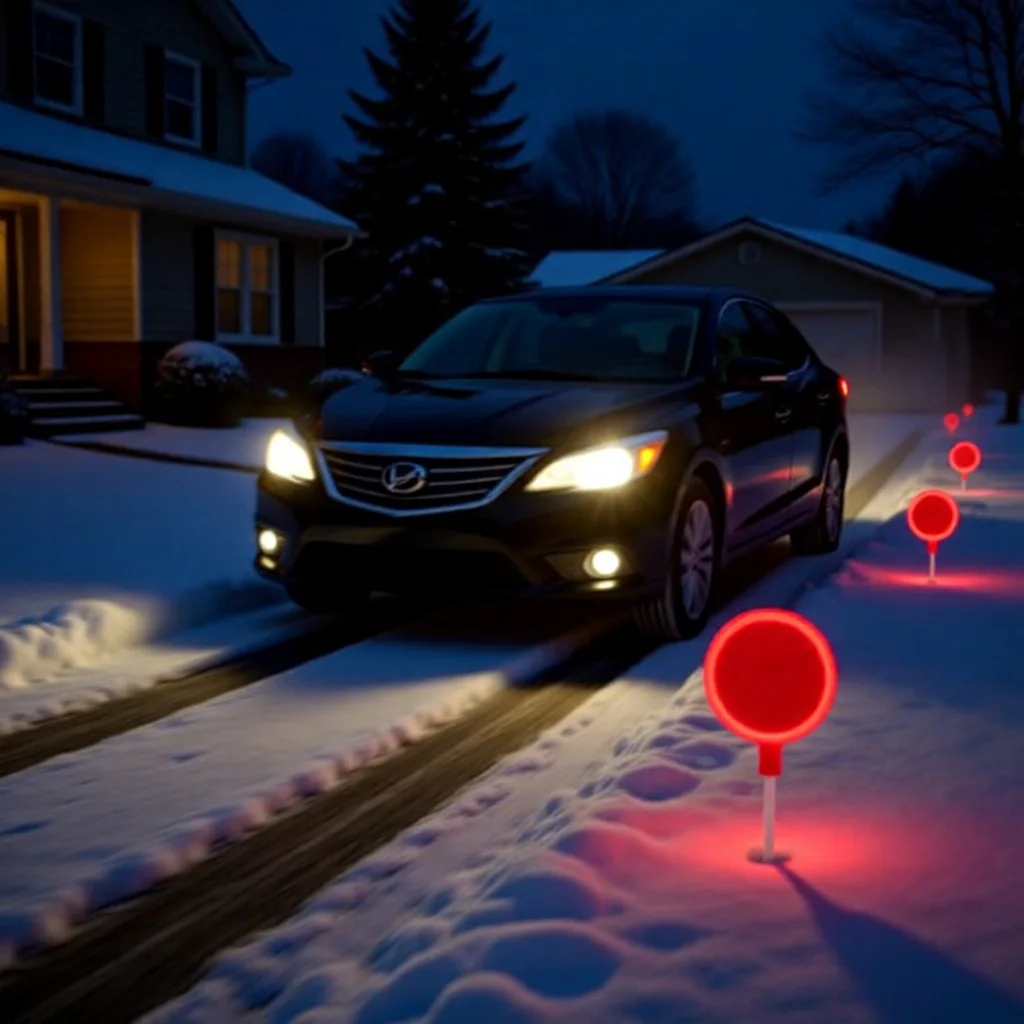
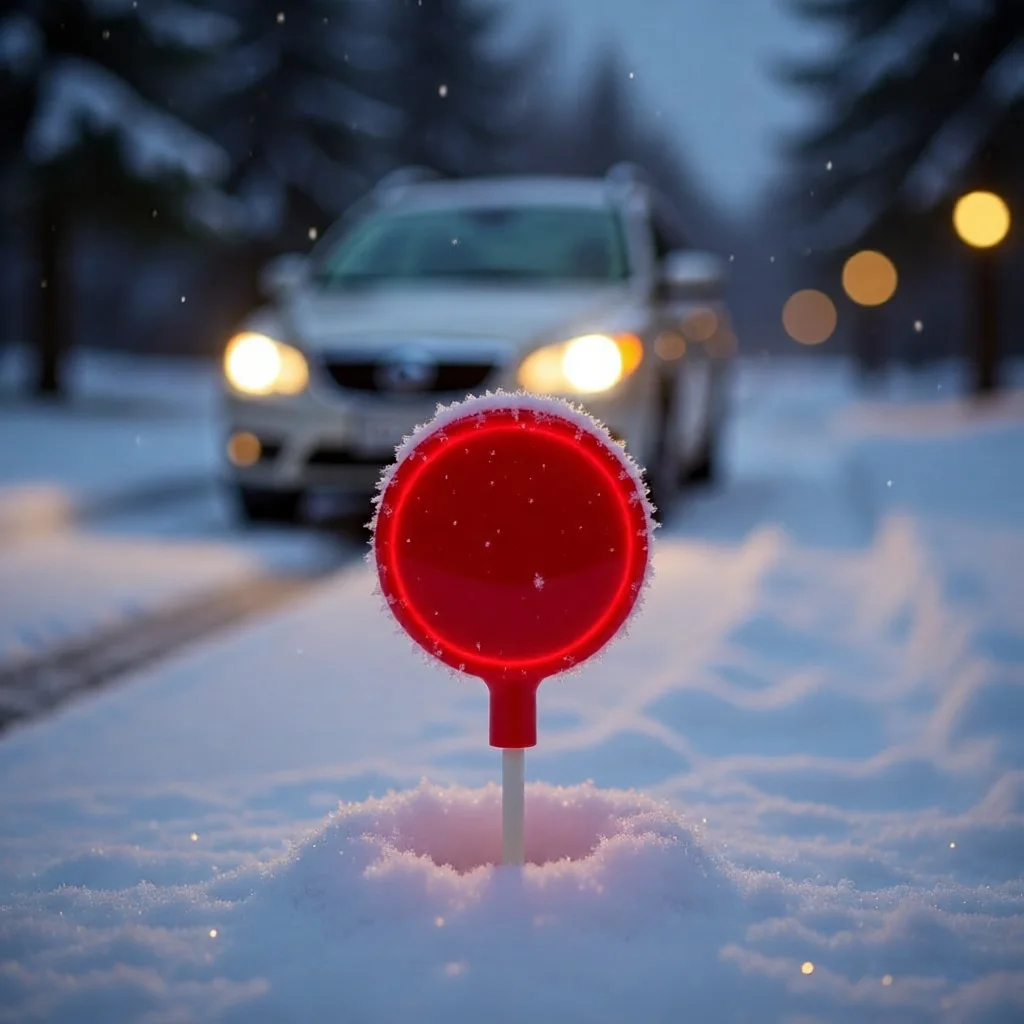
Winter changes the conditions around a solar driveway marker. A panel can become shaded or covered, snowbanks can hide the lens, and the product may face temperatures outside the conditions used for its advertised runtime. Review the actual model's specifications rather than relying on a general claim of all-season performance.
Separate charging from visibility
A light can be functioning but hidden behind a snowbank. It can also be visible in its location but unable to obtain enough charging exposure. Inspect both the panel and the lens when evaluating a problem.
Check whether plowing places snow over the installation. A surface-mounted unit in a snow-storage area may be unsuitable regardless of its battery size. Where the edge must remain recognizable after plowing, consider whether taller passive markers have a useful separate role.
Read the manufacturer's limits
Look for operating and charging temperature information, battery instructions, weather-exposure ratings, and the conditions associated with runtime claims. Battery types and product designs differ; do not apply one model's maintenance procedure to another.
Do not improvise a replacement battery simply because it fits the compartment. Use the specified type and follow the instructions. If the product is sealed or not intended for user servicing, check the manufacturer's replacement or support process.
Keep panels and lenses accessible
Remove coverage only in a way the manufacturer permits and when it is safe to reach the unit. Avoid striking or scraping a panel with snow-removal tools. Do not climb into an active clearing area to clean a small light.
If a unit repeatedly becomes buried, review its placement with the person maintaining the property. Repeated clearing of the panel may not be a practical solution where the entire location is used for snow storage.
Evaluate performance over time
Compare units after similar charging conditions and record whether a problem affects one light or the whole row. A single unit behaving differently may warrant inspection; a whole shaded row may indicate a location problem. Distinguish decorative evening illumination from a need for dependable lighting throughout the night.
Where lighting is important for access or a specific task, obtain a suitable lighting solution rather than assuming solar edge markers provide that function. Passive reflectors can add references for approaching headlights but do not illuminate a walking surface on their own.
See solar marker placement for the initial layout and maintenance checks for inspection reminders.
Ready to compare your options?
Check the current listing for dimensions, pack quantity, mounting instructions, and availability before ordering.
Browse on Amazon