How to choose driveway reflectors for your property
Match the marker to your entrance, driveway surface, and maintenance routine before buying a pack.
As an Amazon Associate I earn from qualifying purchases. This guide does not represent hands-on product testing.
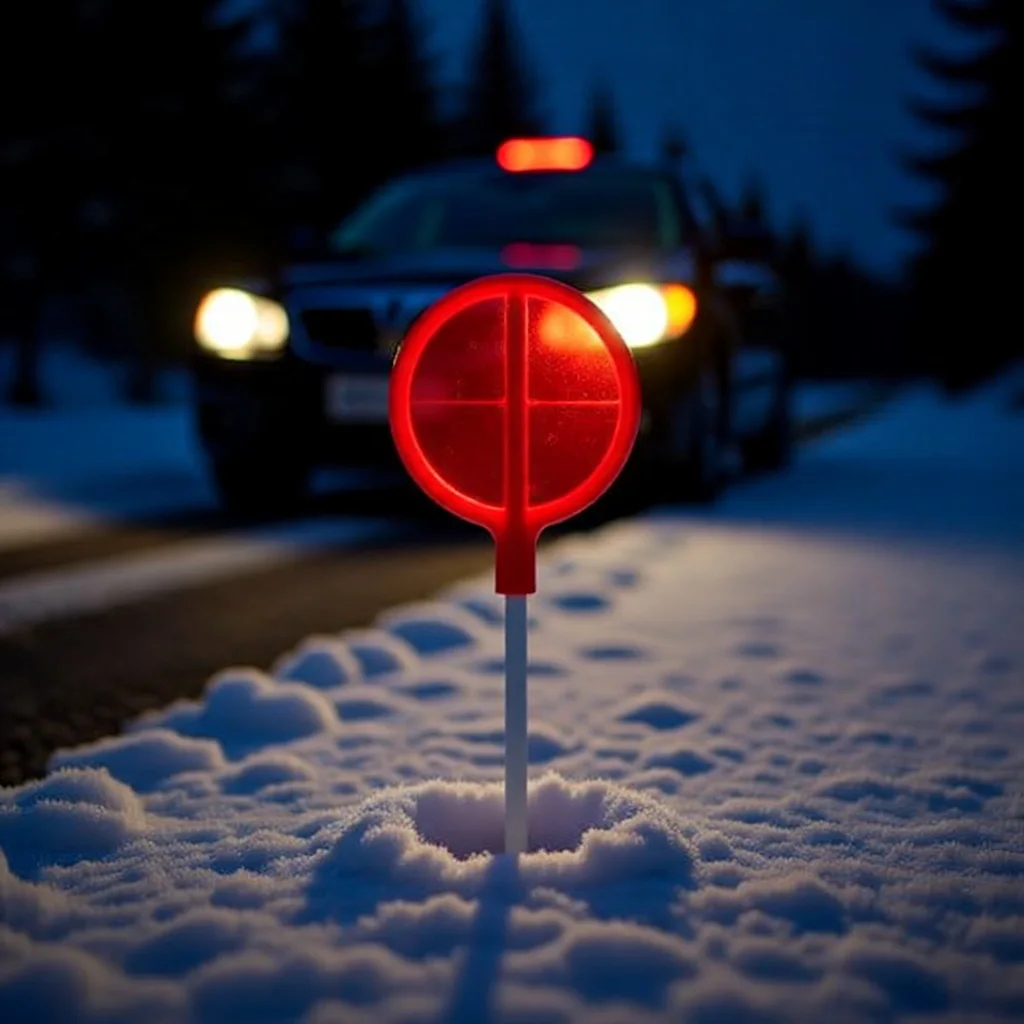
A useful driveway marker solves a specific visibility problem. It might identify an entrance that visitors miss, outline a narrow gravel edge, or show a snow contractor where the driveway ends. Start by naming that problem. A product that is attractive beside a walkway may be a poor choice beside an active plow route.
Start with what the driver needs to see
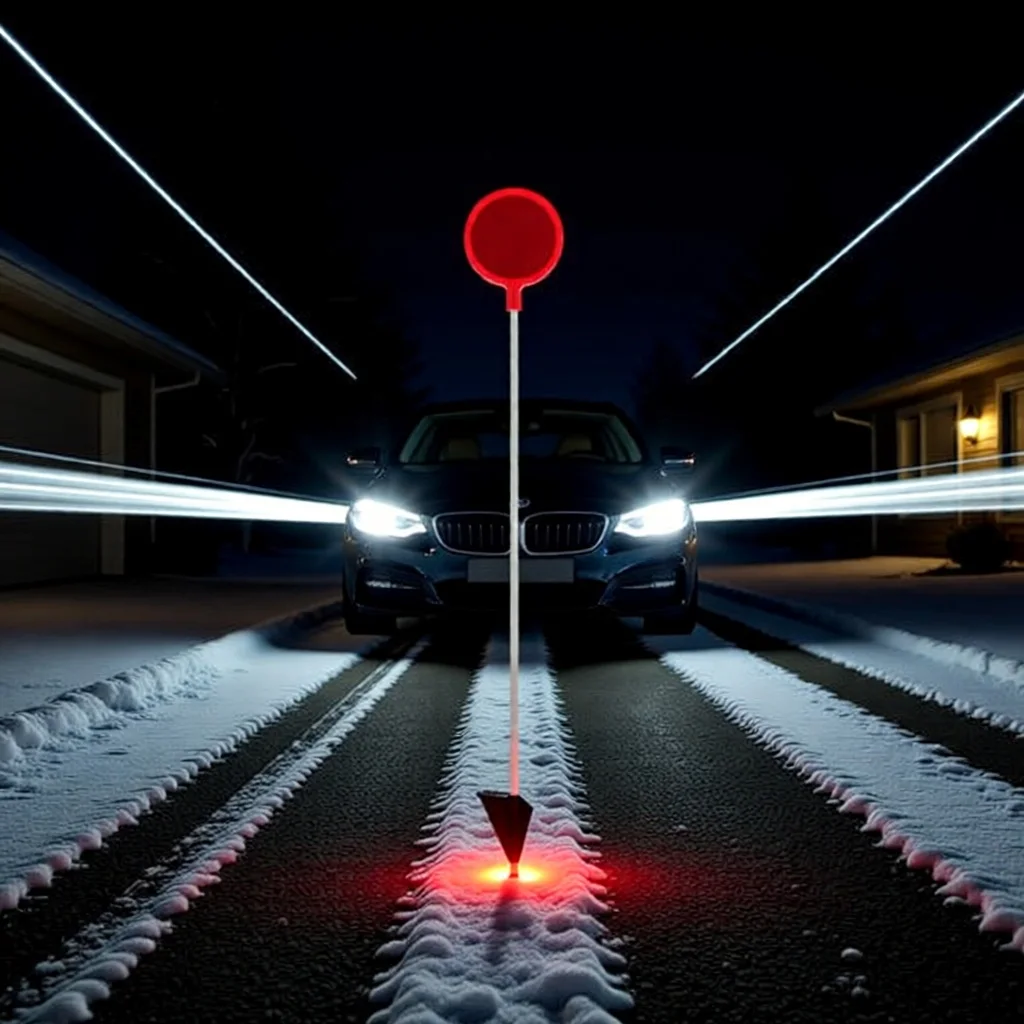
Walk the property in daylight and identify the entrance, curves, changes in width, and obstacles. Then observe the approach after dark from a safe position on your property. A marker can be visible from one direction and difficult to see from another. Think about both entering and leaving, especially at a curved entrance.
Passive reflectors return incoming light; they do not illuminate a dark surface by themselves. A solar LED marker produces light using stored energy. Neither makes a driveway free of hazards, and a line of bright markers does not establish the actual load-bearing edge of a soft shoulder.
Compare the mounting options
- Ground stakes suit suitable soil beside an edge. Check the intended insertion depth and the height that remains above ground.
- Surface-mounted reflectors require a compatible surface and fastening method. Consider tire traffic, snow removal, and drainage before choosing a location.
- Posts and delineators may provide a larger visual target but need appropriate clearance and stable mounting.
- Solar markers need adequate charging exposure and an accessible position for cleaning and maintenance.
Read the dimensions, not just the photograph
Product images often make a small reflector look larger. Check the total length, reflector size, shaft diameter, number of reflective faces, and pack quantity. A 48-inch pole is not 48 inches above ground once inserted. A pack described as double-sided refers to reflective faces, not twice as many poles.
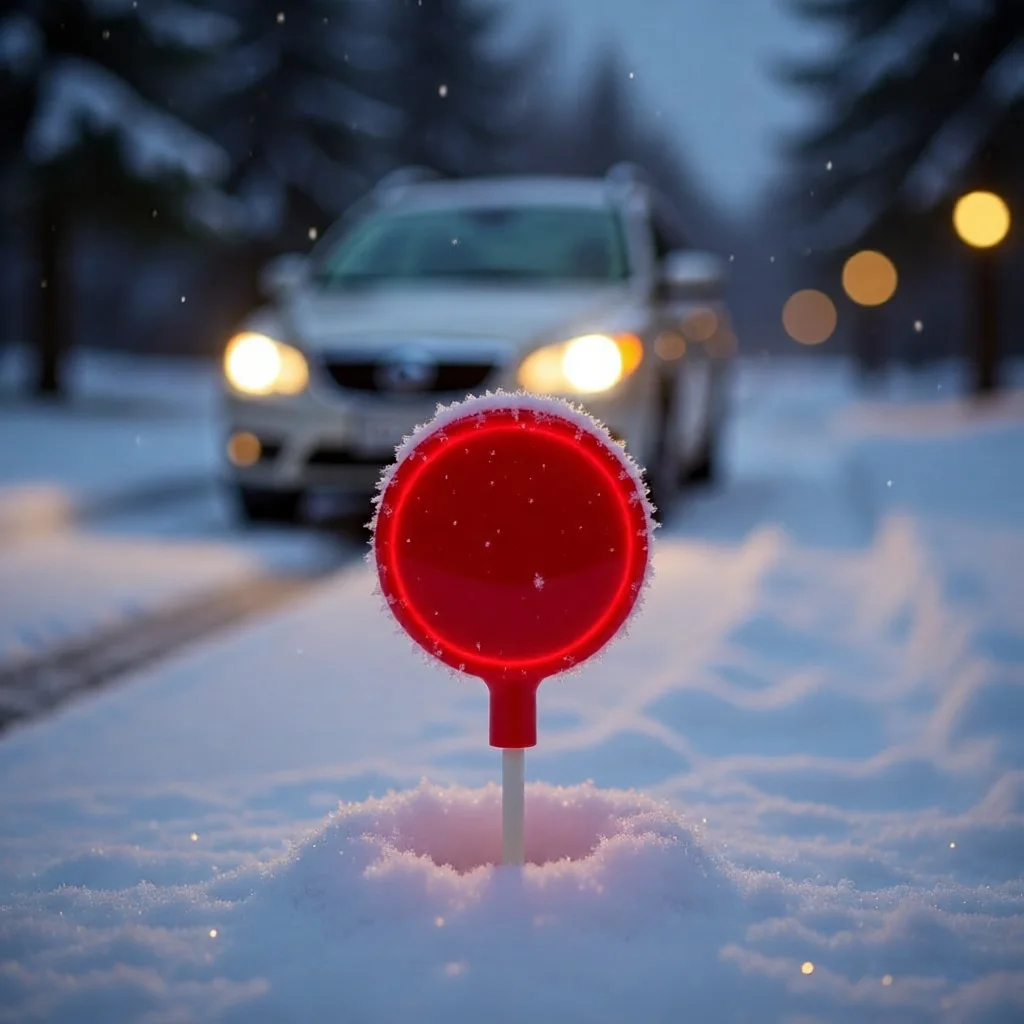
For winter use, account for snowbanks where the markers will actually sit. For a business entrance, check pedestrian movement, vehicle turning space, and maintenance equipment. A stronger-looking pole is not automatically the safest object to place near moving vehicles.
Decide how you will maintain the installation
Choose a setup you can inspect, clean, and replace. Removable seasonal stakes may suit a lawn edge that needs mowing during summer. A permanent fitting may be convenient elsewhere, provided its mounting and location suit year-round use.
Before ordering, calculate quantity using your measured length and chosen spacing. Keep a few replacements if damage or loss is likely, and verify that future replacement parts are available rather than assuming every reflector head fits every shaft.
Your purchase checklist
- What needs to be visible, and from which directions?
- Will the marker remain visible after insertion and expected snow buildup?
- Does the mounting method suit the ground or surface?
- Are the quantity and included accessories clear?
- Can you maintain the marker without putting yourself in a vehicle path?
Use the marker-type comparison to narrow the options, then the quantity calculator to plan a pack size. Follow the exact product instructions for installation.
Ready to compare your options?
Check the current listing for dimensions, pack quantity, mounting instructions, and availability before ordering.
Browse on Amazon